Beating the heat in Singapore’s gardens
- In food
- Apr 03, 2026, 11:00 AM
- By agriculture.einnews.com
- 0 Views
Plant Parenting
Beating the heat in Singapore’s gardens
Sign up now: Get ST's newsletters delivered to your inbox
SINGAPORE – The return of the El Nino weather phenomenon is expected to bring about warmer, drier weather here.
The already harsh conditions can be especially dire in high-rise gardens, with the constant winds acting like a “hair dryer” for plants, which lose moisture as water evaporates more rapidly from the soil in their pots.
As a gardener, I water my plants more often, as many of them are prone to wilting or dying in the heat. Here are some tips to tide your plants over the extreme weather, whether they are in high-rise or outdoor gardens.
Overhead shade
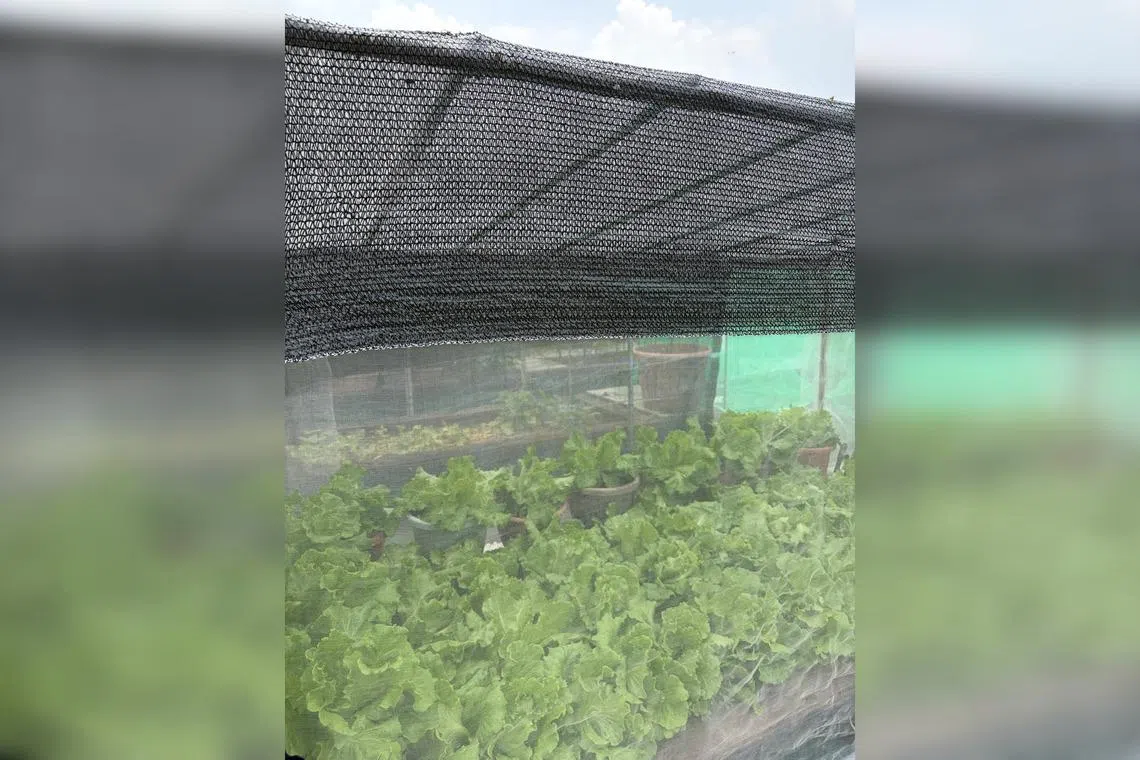
An easy way to mitigate heat stress in plants is to provide overhead shade. While plants may not photosynthesise and grow as much under such conditions, proper shade will prevent water loss, sunburn and wilting.
However, ensure the shade cloth is not too dense and that the plants are not deprived of light to the point of stretched, lanky growth.
Depending on the plant, you can choose a black shade cloth or aluminium netting. The latter is seldom used here, but is worth considering as the shiny material reflects sunlight and helps keep plants cool.
Deep watering is key
Deeply watered soil retains moisture longer. It is vital to water early in the morning to minimise evaporation as temperatures climb later in the day.
Water at the plant’s base to reduce run-off, ensuring that water properly penetrates the roots. You can use drip irrigation, soaker hoses or a hose on a slow trickle that is connected to a timer for automatic watering.
Some irrigation systems have a soil moisture sensor that will release water when it detects that the root zone is dry.
Organic matter
Soil with more organic matter is better at retaining water, which is crucial during hot, dry periods.
Those growing plants outdoors can incorporate good-quality compost into the soil for this purpose, while high-rise gardeners can also opt for peat moss or washed cocopeat. Use a garden fork to loosen the soil and take care to avoid damaging your plants’ roots in the process.
Mulching and groundcover
Apply a layer of mulch (coarse, well-draining compost) on the surface of the soil to insulate the root zone from excessive heat and prevent moisture from evaporating too quickly.
However, avoid heaping it around the crown of the plant, as this can retain excessive moisture and lead to rot.
Alternatively, a low, creeping groundcover plant like sweet potato or Spanish Shawl (Dissotis rotundifolia) can be grown beneath taller shrubs and trees. It will function similarly to organic mulch.
Larger containers
Consider repotting plants in larger containers which can hold a greater volume of soil or other growing mixes, thus retaining more moisture.
This is key for plants that are pot-bound – a situation where a plant’s roots have totally filled its pot. Such plants will dry out even quicker than others.
Self-watering containers
Those who cannot water plants regularly can consider self-watering containers. Each consists of two parts: an outer water reservoir and an inner pot with a wick that draws water from this reservoir and transmits it to the plant within.
A moisture-retentive growing mix is essential for this capillary action to work. Porous soil will not be suitable.
Drought-tolerant plants
Gardeners with drought-tolerant plants are in luck, as these low-maintenance plants naturally thrive in hot, dry and sunny conditions. They do not need much water, but will still benefit from it if they show signs of drought stress.
Some well-known examples are cacti and succulents. Aloe vera, various Euphorbia species and the snake plant (Dracaena trifasciata) can also go for periods with little water.
As for ornamental shrubs, the bougainvillea will bloom in hot, dry conditions, ideally when slightly root-bound and drought-stressed. They need only occasional watering once established.
Many edible plants demand regular watering, except for species such as the drumstick tree (Moringa oleifera) and Chinese chives (Allium tuberosum).
Plant Parenting is a series about houseplant care and other gardening essentials. Have a gardening topic you are interested in? Write in to stlife@sph.com.sg. We reserve the right to edit and reject questions.
Dr Wilson Wong is an NParks-certified practising horticulturist and parks manager. He is the founder of Green Culture Singapore and an adjunct assistant professor (Food Science & Technology) at the National University of Singapore.
- food
- Apr 08, 2026, 09:00 AM
- food
- Apr 06, 2026, 10:42 PM
- food
- Apr 03, 2026, 11:29 AM
- food
- Apr 03, 2026, 11:28 AM
- food
- Apr 03, 2026, 11:19 AM
- food
- Apr 03, 2026, 11:00 AM
- food
- Apr 03, 2026, 10:28 AM
- food
- Apr 03, 2026, 09:39 AM
- food
- Apr 03, 2026, 09:22 AM